17 November 2026
The Sweet History of Dutch Caramel Waffle Cookies
Presented by @thedailycrumb
Dutch caramel waffle cookies, known in the Netherlands as stroopwafels, have a story that begins in the late 18th century. These thin, syrup-filled waffle discs are now a beloved treat around the world, but their origins are rooted in frugality and resourcefulness. Understanding how they came to be, what makes them special, and how they are best enjoyed helps explain their enduring appeal.
What Are Dutch Caramel Waffle Cookies?
At its simplest, a Dutch caramel waffle cookie is a thin waffle made from a dough of flour, butter, sugar, eggs, and yeast. The waffle is baked in a special press that gives it a characteristic grid pattern. While still warm and pliable, the waffle is split horizontally into two thin layers. A warm, sticky caramel syrup is spread between these layers, and the waffle is pressed back together to form a single cookie. The result is a crisp, chewy disc with a sweet, buttery filling.
The caramel syrup is not the hard, brittle type found in some candies. It is a soft, spreadable filling that stays pliable at room temperature, giving the cookie a chewy center. This texture is a key part of the experience. The outer waffle remains firm and slightly crunchy, while the inner filling stays soft and rich.
A Short History: From Leftovers to National Treasure
The story of Dutch caramel waffle cookies begins in the city of Gouda, in the Netherlands, around the late 1700s. Legend has it that a baker used leftover scraps of dough, mixed them with sugar and cinnamon, and pressed them in a hot waffle iron to create a simple, cheap snack. Over time, bakers refined the recipe, adding butter and yeast to create a lighter waffle, and eventually splitting the waffle to insert syrup.
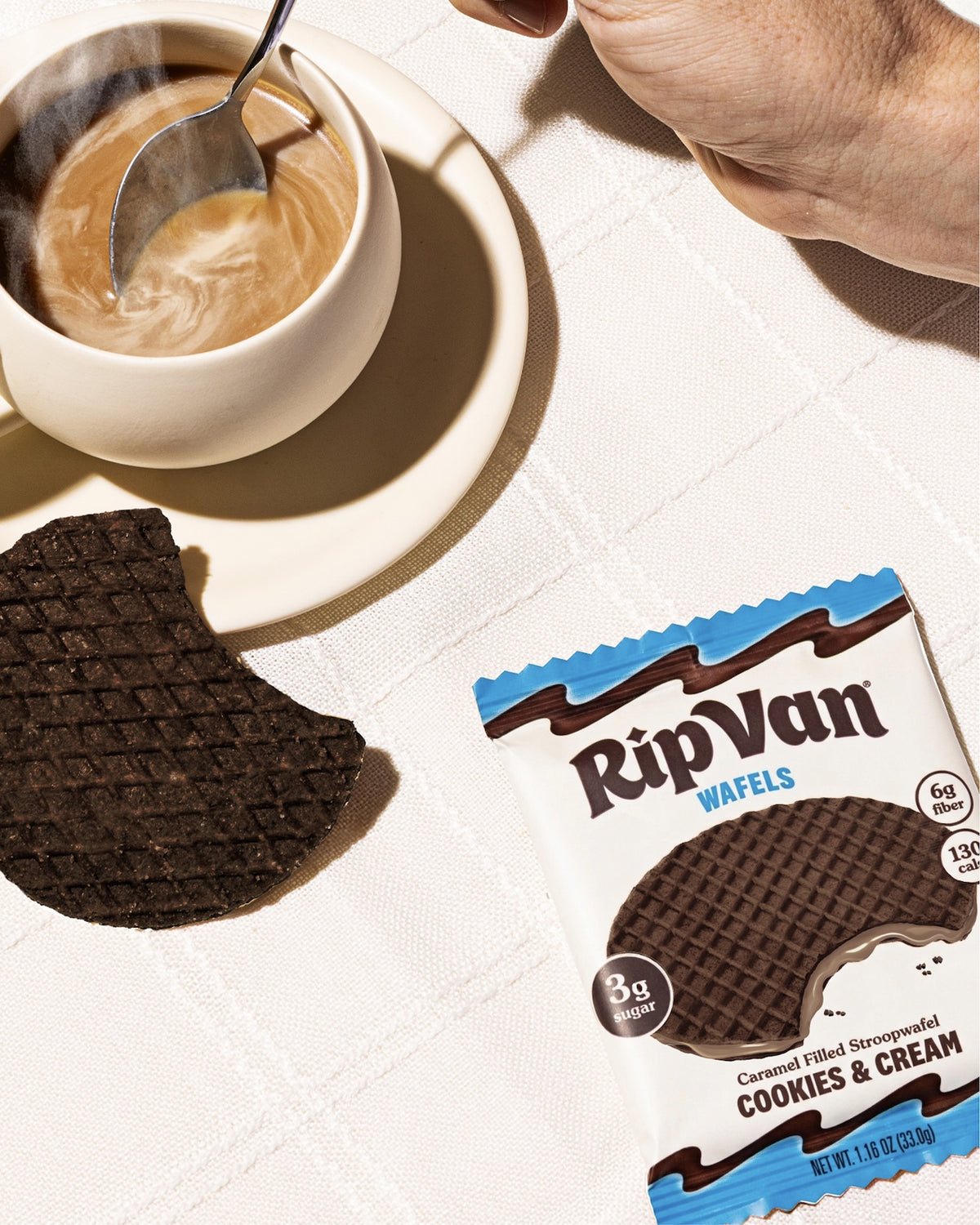
By the 19th century, stroopwafels had become a staple of Dutch street markets. Vendors would sell them fresh from the iron, often wrapped in a piece of paper for customers to enjoy on the go. The cookies were particularly popular among farmers and laborers, who appreciated the energy boost from the sugar and butter. The tradition of eating them with coffee or tea became established early on, as the hot drink would soften the caramel and make the cookie even more enjoyable.
During the 20th century, production moved from individual bakers to small factories, making stroopwafels available year-round. The cookies gained popularity across the Netherlands and eventually spread to other parts of Europe and the United States. Today, they are a cherished part of Dutch cuisine, often given as gifts and enjoyed during holidays.
How They Work: The Art of the Warm Press
The magic of a Dutch caramel waffle cookie lies in the timing. The waffle must be baked just long enough to set its structure but not so long that it becomes brittle. Immediately after baking, it is still soft and flexible. This is the window for splitting and filling. A skilled baker uses a thin knife to cut the waffle in half horizontally, creating two thin discs. The caramel syrup, which has been heated to a warm, spreadable consistency, is applied to one half. The other half is placed on top, and the whole cookie is pressed gently to seal the edges.
The caramel syrup itself is a simple mixture of sugar, butter, and often a touch of molasses or corn syrup for texture. It is cooked to a specific temperature that allows it to remain soft at room temperature. If the syrup is cooked too long, it becomes hard and brittle, ruining the chewy texture. If it is not cooked long enough, it will be runny and leak out of the waffle.
Once assembled, the cookie cools and the caramel sets slightly, but it stays pliable. This is why biting into a fresh stroopwafel gives you that satisfying combination of a crisp shell and a soft, sticky center.
Why Texture Matters: The Chewy Center
The texture of a Dutch caramel waffle cookie is its defining characteristic. A good one should have a firm, crisp outer layer that shatters slightly when you bite into it. The filling should be soft and chewy, not hard or runny. This balance is achieved through careful control of the baking time and the syrup recipe.
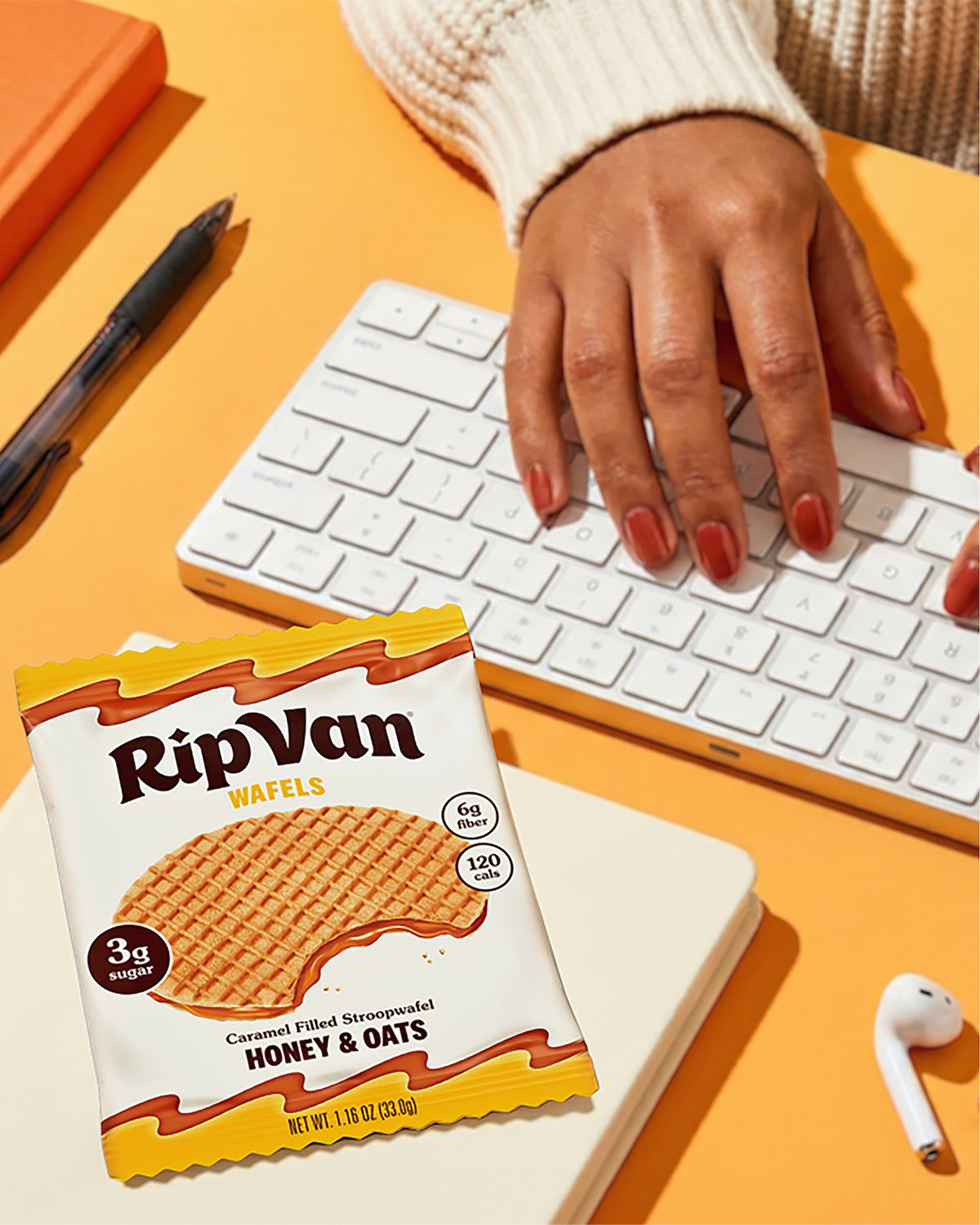
Many modern versions, including those offered by brands like ripvan.com, focus on maintaining this chewy center while making adjustments to the sugar content or adding fiber. These variations aim to preserve the traditional experience while catering to contemporary dietary preferences. The core appeal remains the same: a treat that feels indulgent but is built on a simple, honest recipe.
When the cookie is placed on top of a hot cup of coffee or tea, the steam from the drink warms the caramel, making it even softer and more spreadable. This is the traditional way to enjoy a stroopwafel, and it is a ritual that highlights the cookie's design. The heat from the mug does not just warm the drink; it transforms the cookie into a melt-in-your-mouth experience.
What It Means for the Reader: Enjoying the Tradition Today
For anyone curious about Dutch caramel waffle cookies, the main takeaway is that these are not just ordinary cookies. They are a product of centuries of refinement, designed to be eaten in a specific way for maximum enjoyment. Whether you buy them from a street vendor in Amsterdam or from a specialty store in your own city, the experience is meant to be savored.
To get the most out of a stroopwafel, follow the traditional method: place the cookie on top of a hot mug of coffee or tea for a minute or two. The steam will soften the caramel, making the cookie easier to bite and intensifying its flavor. If you prefer a crispier texture, eat it straight from the package. Both approaches are valid, but the warmed version is closer to the original street-food experience.
Dutch caramel waffle cookies also pair well with other hot beverages like hot chocolate or even a warm glass of milk. The key is that the cookie is warmed by the drink, not dunked into it. This gentle heating is what makes the filling come alive.
Modern Variations and Cultural Roots
While the classic stroopwafel remains popular, modern producers have introduced variations. Some add cinnamon or vanilla to the dough. Others use different types of syrup, such as honey or maple, to create new flavor profiles. The basic structure, however, stays the same: a thin waffle disc with a caramel filling.

For those who follow a lower-sugar diet, products like those from ripvan.com offer an alternative that maintains the traditional texture. These versions often use sugar substitutes or incorporate fiber to balance the sweetness while keeping the cookie chewy and satisfying. The cultural tradition of eating stroopwafels with coffee or tea remains intact, even as the recipes evolve.
The stroopwafel's journey from a baker's leftover dough to a globally recognized treat is a testament to the power of simple, quality ingredients and a well-honed technique. It is a cookie that asks you to slow down, to appreciate the warmth of your drink, and to enjoy a moment of sweetness. That is the real tradition behind Dutch caramel waffle cookies.